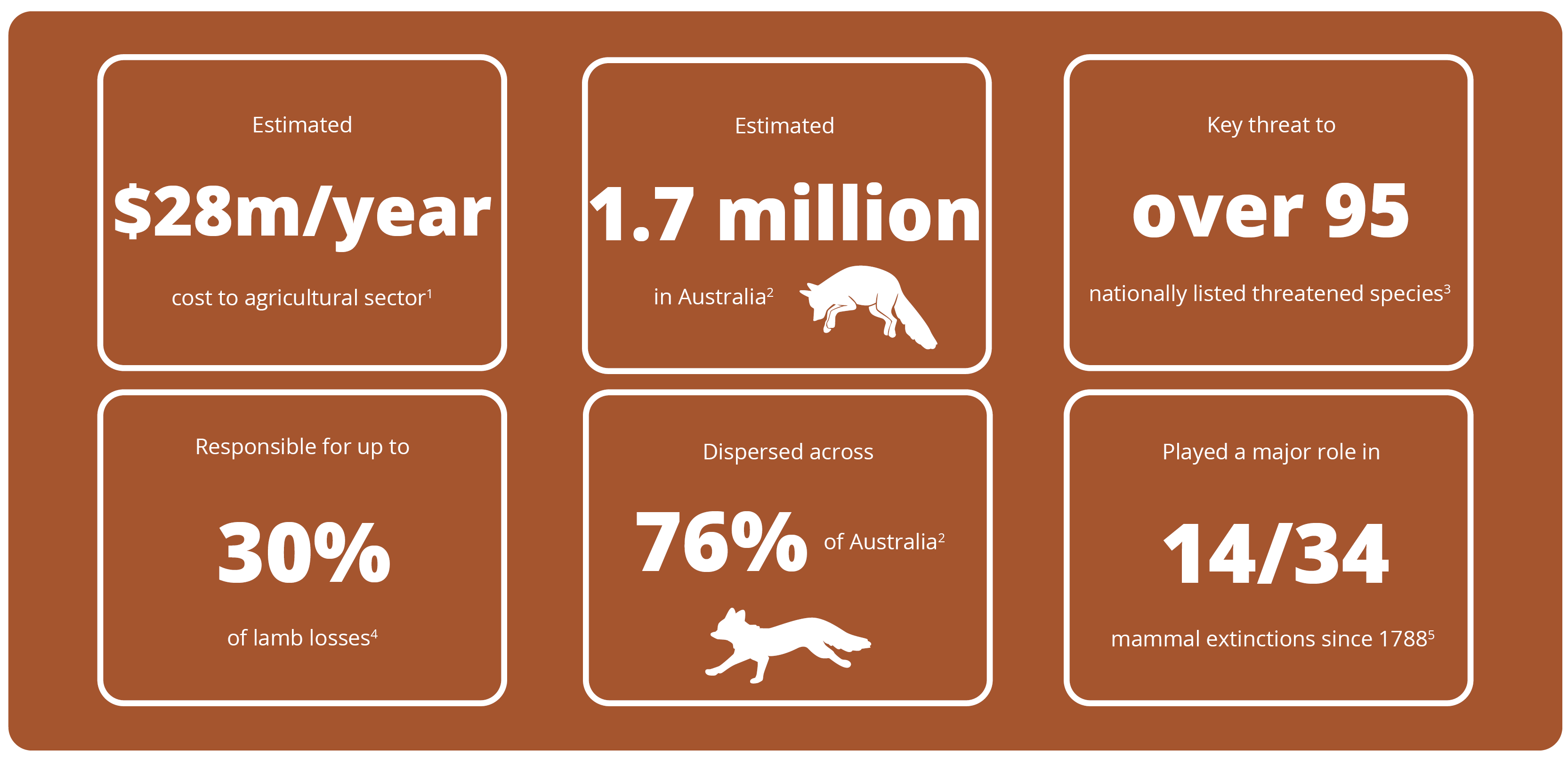
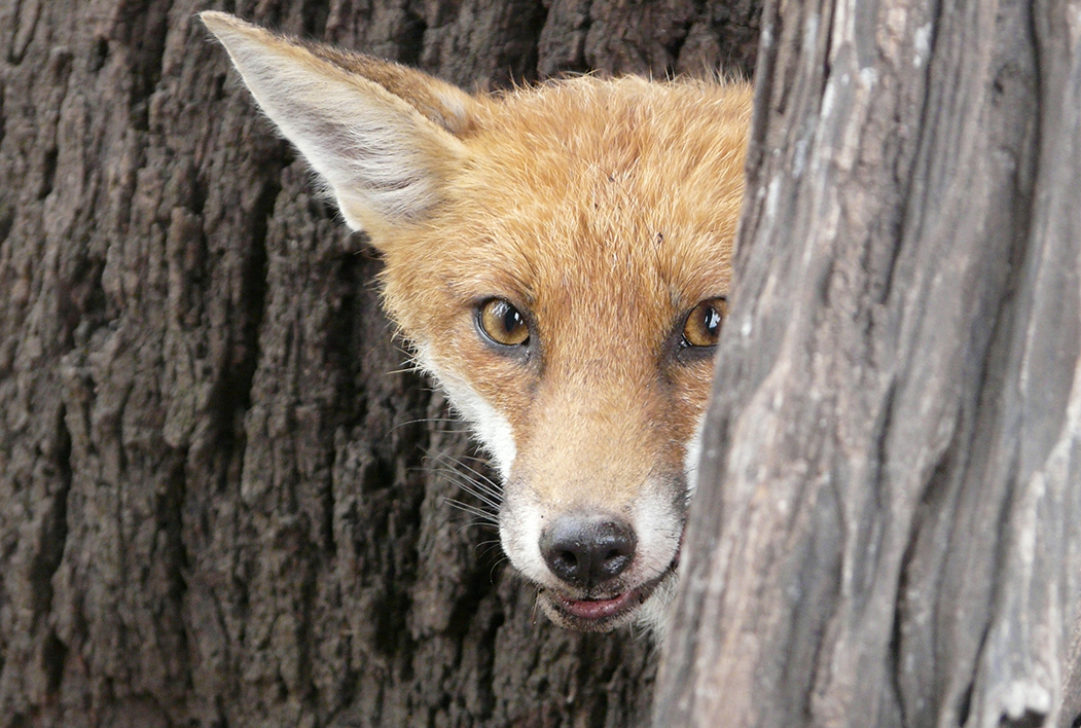
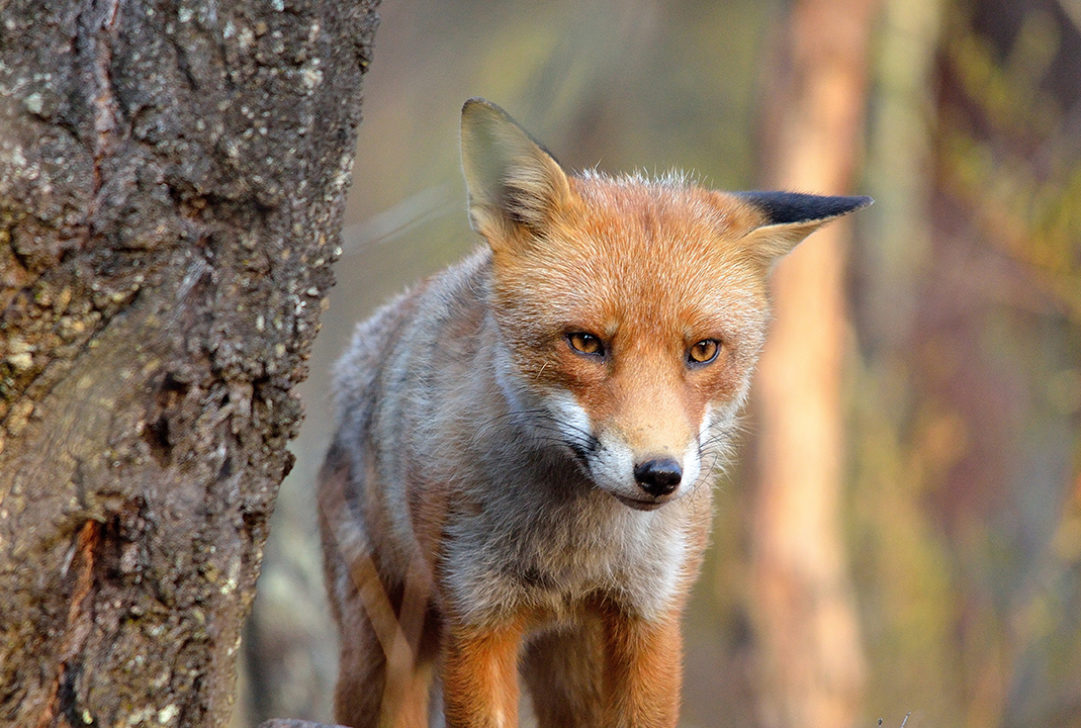
Foxes (Vulpes vulpes) are opportunistic predators and scavengers and have few natural predators in Australia. Red foxes pose a threat to livestock, as they prey on poultry, lambs and goat kids. In high density areas they may also be a health risk to humans and pets, through transmission of diseases such as distemper, parvo virus and mange.
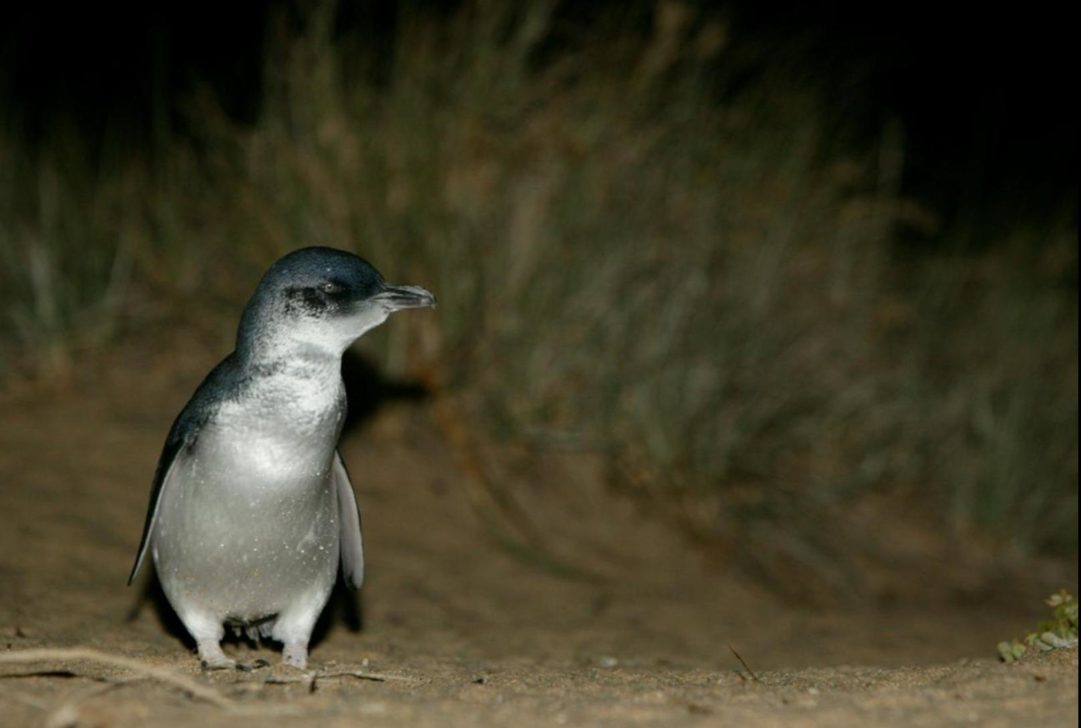
Evidence suggests red foxes are a primary cause in the decline and extinction of many small and medium-sized rodent and marsupial species in Australia. They also prey on many bird species.
Foxes were originally introduced to mainland Australia in the 1850s for recreational hunting and spread rapidly. Today, they are abundant in all states and territories except Tasmania, where they are still at low density.
Learn More 
Fox – humaneness matrix - Matrix showing the relative humaneness of fox control methods. The ‘humaneness’ of a pest animal control method refers to the overall welfare impact that the method has on an individual […]
Fact-sheet: European Red Fox - Biology and Ecology Although 3 colour morphs (red, silver or black and cross) are generally recognised worldwide, the red morph is most common in Australia. In general, throat and abdomen […]
Fact-sheet: Fox Bounties - Bounty systems offer financial incentives to hunt and destroy pest animals. Bounty systems offer what appears to be a simple solution to pest animal problems by providing financial rewards to […]
Fact-sheet: Fox legislation in Australia - Current fox management strategies and techniques are governed or affected by various Commonwealth, state and territory laws. Fox predation as a key threatening process The Australian Government (under the Environmental […]
Fact-sheet: Foxes in Tasmania - [Last updated May 2012] Foxes pose a significant threat to Tasmania’s biodiversity and agricultural sector. The potential cost of an established fox population has been estimated at over $20 million […]
Fact-sheet: Advances in the molecular ecology of foxes - Foxes are highly secretive and cryptic animals. They are wary of humans, highly mobile and occur at relatively low densities across the landscape. These factors make the collection of key […]
Act
STEP 1Understand your fox problem |
STEP 2Set objectives & develop plan |
STEP 3Choose your strategy |
STEP 4Control and monitor |
There are many reasons to control foxes; for example, to protect native wildlife in your area, improve lamb survival on your property, help your neighbour out, reduce the risk of fox-borne diseases such as mange or tapeworm, or prevent the killing of your backyard chooks. However, fox control is not something you do after the damage starts. Foxes are widespread and numerous across the landscape. They are highly mobile and efficient breeders, and can quickly move in and recolonise areas where fox numbers have been reduced. ‘One-off’ or reactionary control programs may kill a few foxes in the short term but there is little change in fox population numbers and the level of fox damage over the long term.
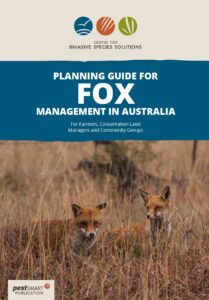
The solution is an integrated fox management plan which takes a long term, landscape approach to controlling the impact of foxes. Integrated fox management is a planned approach, with clear aims, realistic levels of management, and the ability to monitor and evaluate the outcomes. You take advantage of the fox biology ‘weak spots’, and use your resources more efficiently and effectively, resulting in a long term impact on foxes and the damage they cause and maximising the outcomes for the prey species.
Generally, no single strategy or control technique will completely remove foxes from an area, so integrated fox management relies on a combination of strategies and techniques to keep on top of the fox problem.
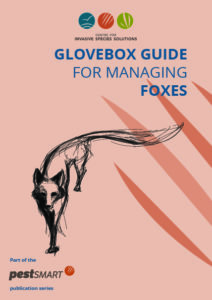
Glovebox Guide for Managing Foxes - This glovebox guide is designed to provide current information on best practice fox management for land managers, pest animal officers and others involved in the management of foxes.
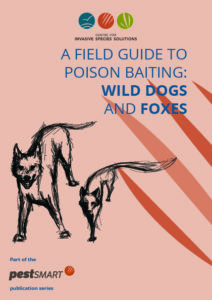
A field guide to poison baiting: wild dogs and foxes - Download the Field Guide The Field Guide to Poison Baiting: Wild Dogs and Foxes provides information on the strategies and approaches to deliver baiting programs for wild dogs and foxes. […]
Fact-sheet: Baiting for fox control - Poison baiting is currently the most effective broad-scale method of fox control. Toxins used against foxes in Australia must be registered with the Australian Pesticides and Veterinary Medicines Authority (APVMA). […]
Fact-sheet: Fencing for fox control - Barrier or exclusion fencing is a non-lethal method commonly used to prevent fox attacks on domestic livestock and threatened wildlife species. Although fences are commonly used to protect livestock (eg […]
Demonstrating the potential resilience of fox populations to coordinated landholder baiting programs for agricultural protection - The main goal of this project was to evaluate and demonstrate the ability of conventional baiting practices to suppress fox populations.
Trapping Introduced Predators for the Protection of Biodiversity and Livestock: an instructional DVD - Development of this instructional DVD for trapping introduced predators (wild dog, red fox and feral cat)
Vertebrate Pesticides: An Australian Guide - This project has produced a publication containing relevant information on all the currently registered vertebrate pesticides in Australia
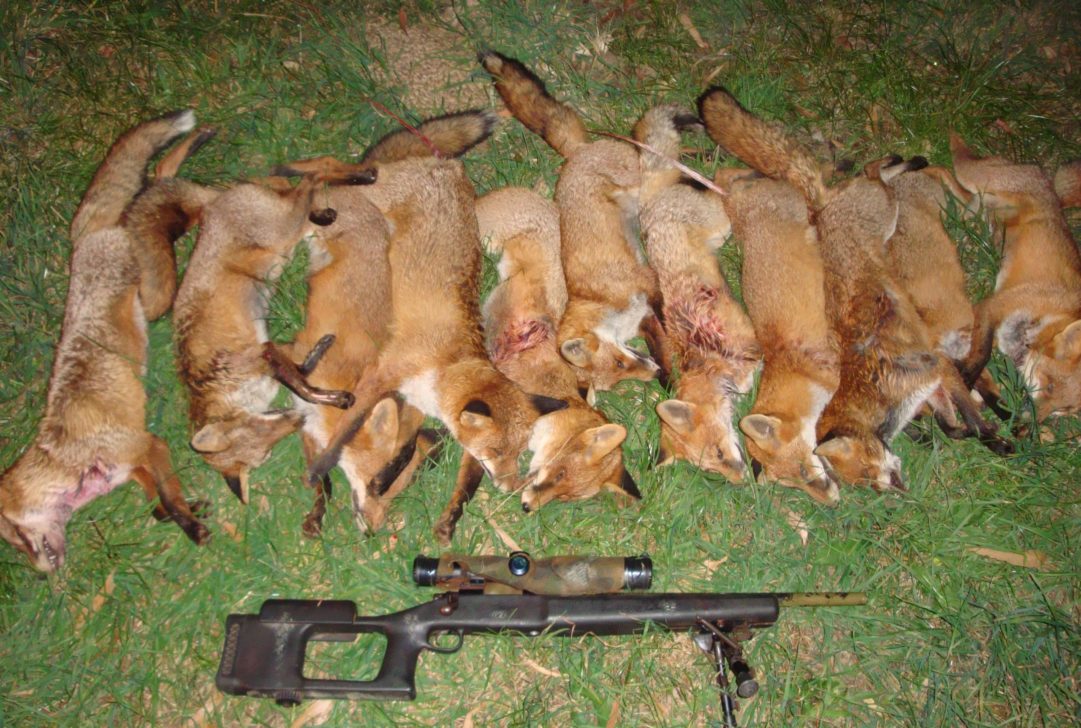
Fact-sheet: Fox shooting and hunting - Introduction In Australia, landowners are permitted to hunt and shoot foxes on their own land provided they are appropriately licenced. Recreational hunters and shooters need to gain permission from private […]
Standard Operating Procedures – fox control
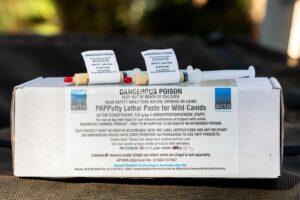
FOX007: Baiting of foxes with para-aminopropiophenone (PAPP) - Poisoning with para-aminopropiophenone (commonly known as PAPP) is used to minimise the impacts of the introduced European red fox (Vulpes vulpes) on native fauna and agricultural production. Other fox control […]
GEN003: Trapping using soft net traps - Soft net traps consist of a flexible metal frame and netting and/or bag which collapses over the animal when triggered. Soft net traps rely on entanglement to secure and hold […]
GEN001: Methods of euthanasia - The word euthanasia means an easy death and should be regarded as an act of humane killing with the minimum of pain, fear and distress. Euthanasia of a range of […]
GEN002: The care & management of dogs used in the control of pest animals - Dogs are used for a range of pest animal control operations. This procedure provides advice on first aid and basic care for dogs used in these situations. It is written […]
FOX003: Ground shooting of foxes - Shooting of foxes is undertaken by government vertebrate pest control officers, landholders and professional or experienced amateur shooters. Although shooting may reduce the local number of foxes or problem animals, […]
FOX004: Fumigation of fox dens using carbon monoxide - The introduced European red fox (Vulpes vulpes) has a significant impact on native fauna and agricultural production. Fox control methods include lethal baiting, trapping, shooting, den fumigation, den destruction and […]
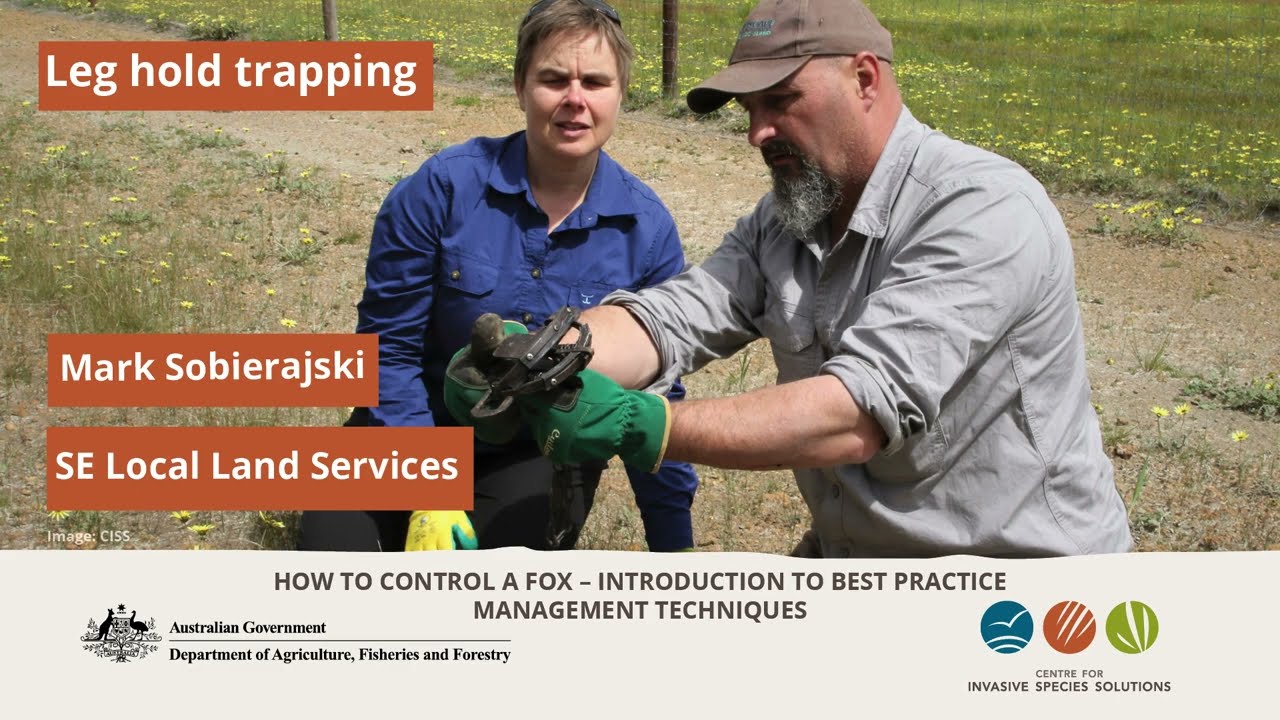
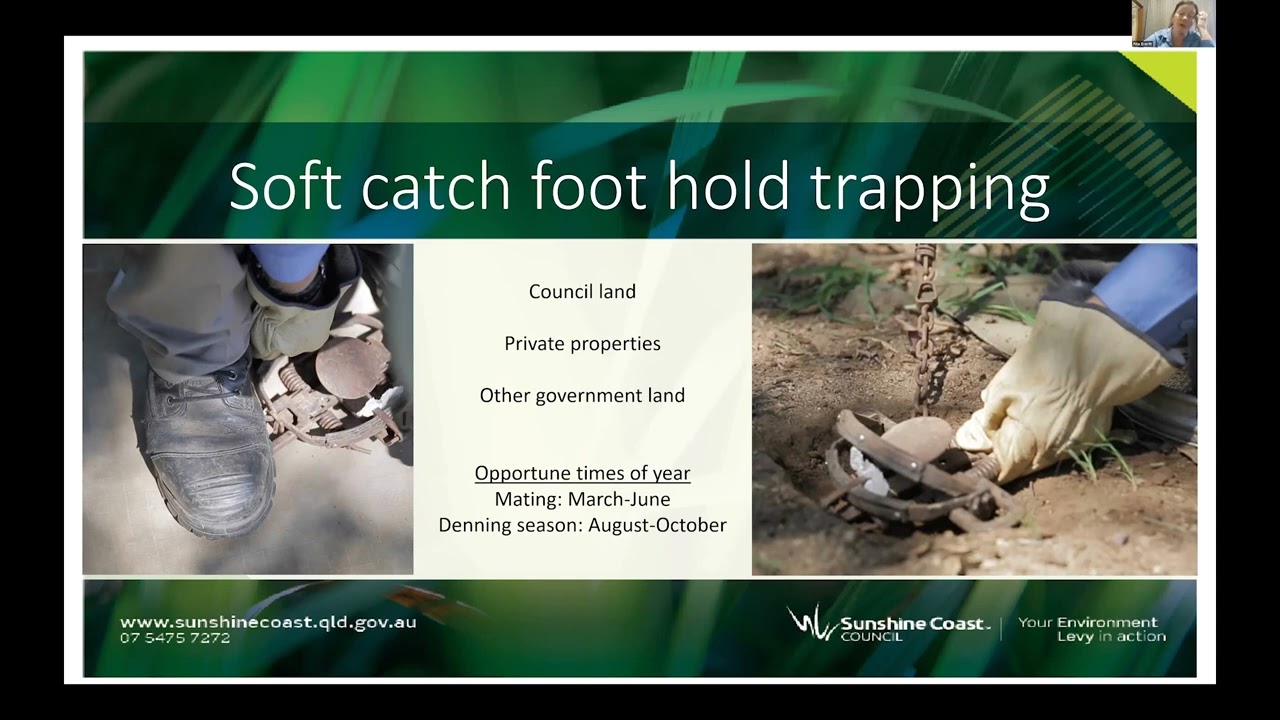
FOX005: Trapping of foxes using padded-jaw traps - The introduced European red fox (Vulpes vulpes) has a significant impact on native fauna and agricultural production. Fox control methods include lethal baiting, trapping, shooting, den fumigation, den destruction and […]
FOX006: Trapping of foxes using cage traps - The introduced European red fox (Vulpes vulpes) has a significant impact on native fauna and agricultural production. Fox control methods include lethal baiting, trapping, shooting, den fumigation, den destruction and […]
FOX001: Ground baiting of foxes with sodium fluoroacetate (1080) - Poisoning with sodium monofluoroacetate (1080) is used to minimise the impact of the introduced European red fox (Vulpes vulpes on native fauna and agricultural production. Lethal baiting is considered to […]
FOX002: Aerial baiting of foxes with 1080 - Poisoning with sodium monofluoroacetate (1080) is used to minimise the impact of the introduced European red fox (Vulpes vulpes) on native fauna and agricultural livestock. Lethal baiting is considered to […]
Connect
Case studies
Case study: Northern Sydney regional fox baiting program - Case study on a cooperative fox control program conducted across urban areas in NSW
Case study: Goonoo (western NSW) fox baiting program - Case study on the effectiveness of a group fox baiting program on land surrounding the Goonoo State Conservation Area of NSW
Case study: Declaring the fox a pest in New South Wales - Case study on the usefulness of legislative powers to improve fox management
Case study: Foxes on Phillip Island - Case study on the current attempt to eradicate foxes from Phillip Island off the Victorian coast
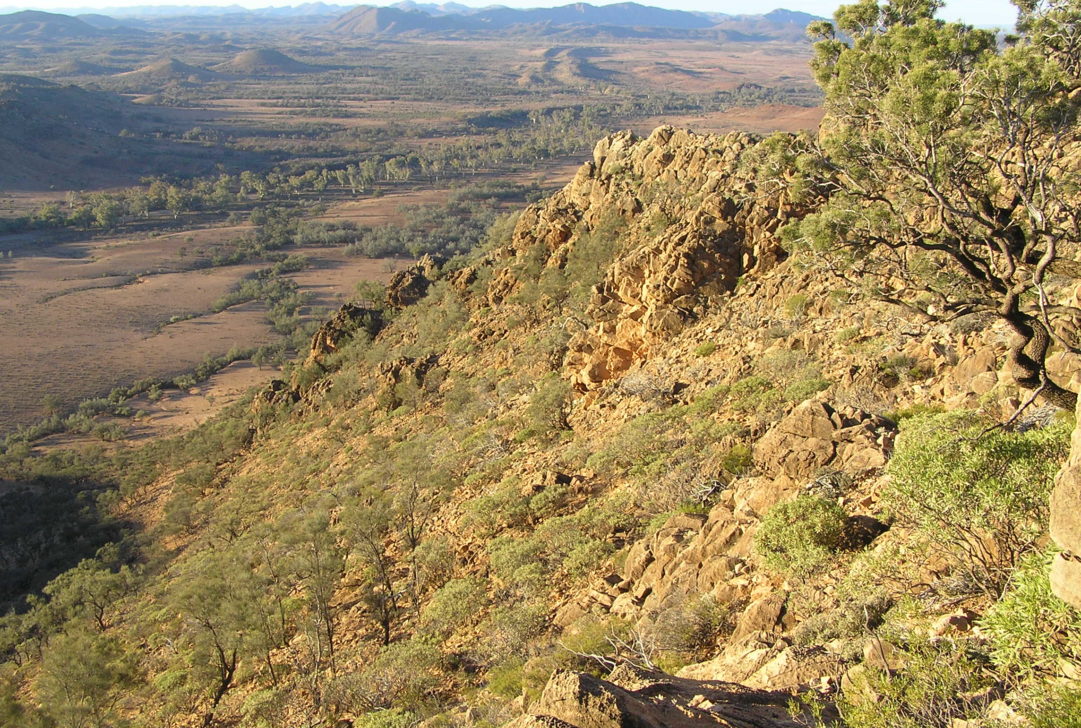
Case study: Bounceback — fox control in the Flinders Ranges - Case study of fox control as part of a major conservation program aiming to protect and restore the semi-arid environment in South Australia
Case study: Coordinated fox shooting program - Case study on a group program of fox shooting in the Milton–Ulladulla region of NSW
Case study: Coordinated group fox programs - Case study on the effectiveness of using coordinated group programs for fox management on farms